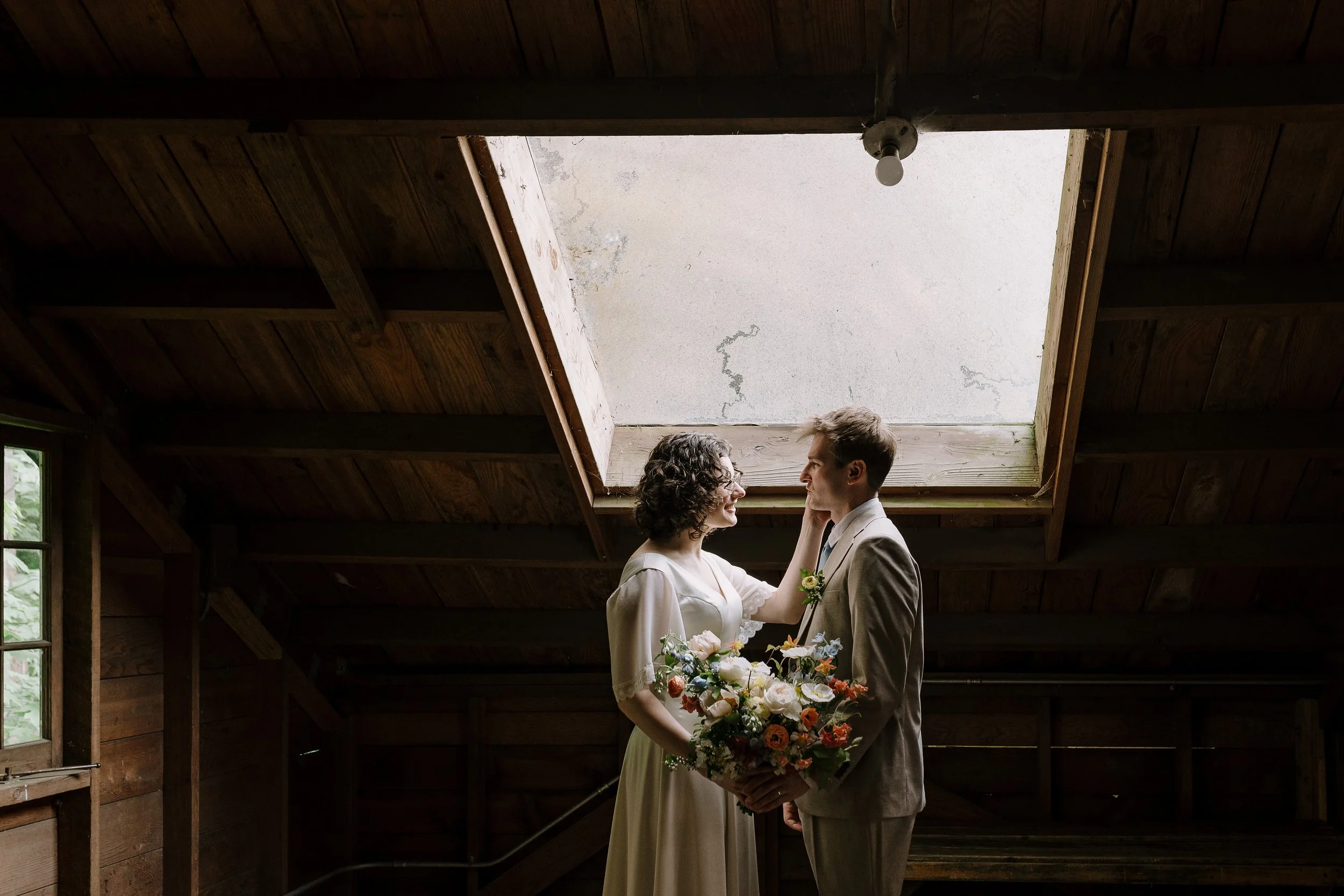
The Difference Between a Photographer Who Documents and One Who Witnesses
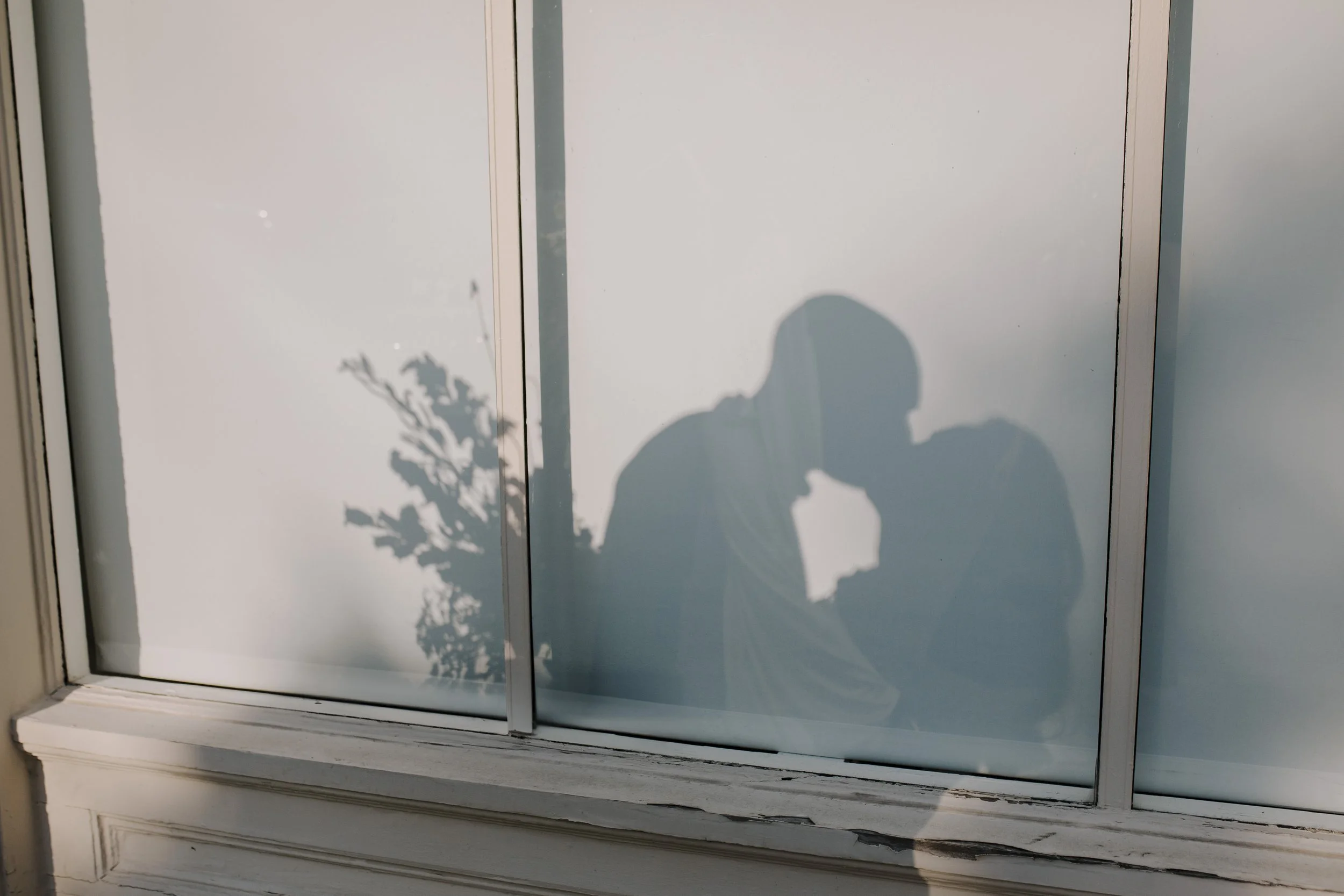
She found me through a single referral on Instagram. When we finally spoke, the first thing she said was: I can't believe I almost missed you. I was looking for so long and just couldn't find anyone quite right.
I think about that a lot. How close she came to settling. How many couples do.
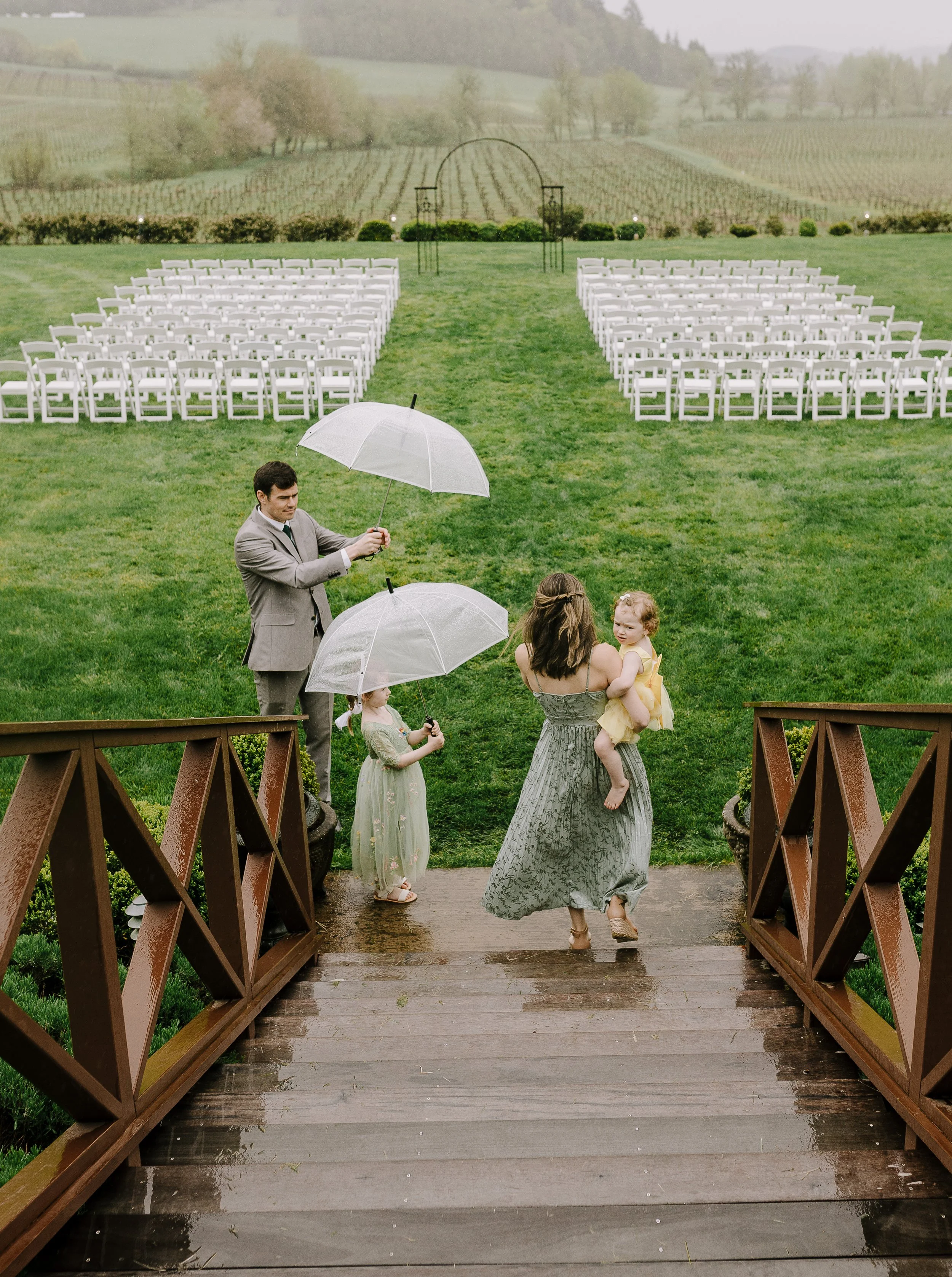
There is a version of wedding photography that is essentially coverage. The photographer arrives, works through the expected moments — the dress, the first look, the kiss, the cake, the first dance — and delivers a gallery that is technically beautiful and emotionally generic. It looks like a wedding. It could be any wedding.
And then there is something else.
Something that requires more than a good eye and expensive equipment. Something that most photographers don't talk about because it sounds unbusiness-like, or unscalable, or too soft to put on a pricing page.
A photographer who witnesses your wedding day has to genuinely fall in love with you and your people.
Not perform care. Not ask the right questions on a questionnaire and file the answers away. Actually fall in love — with who you are to each other, with the stories underneath the surface, with the complicated and tender and specific human beings who showed up to watch you get married.
That is what changes the photographs.
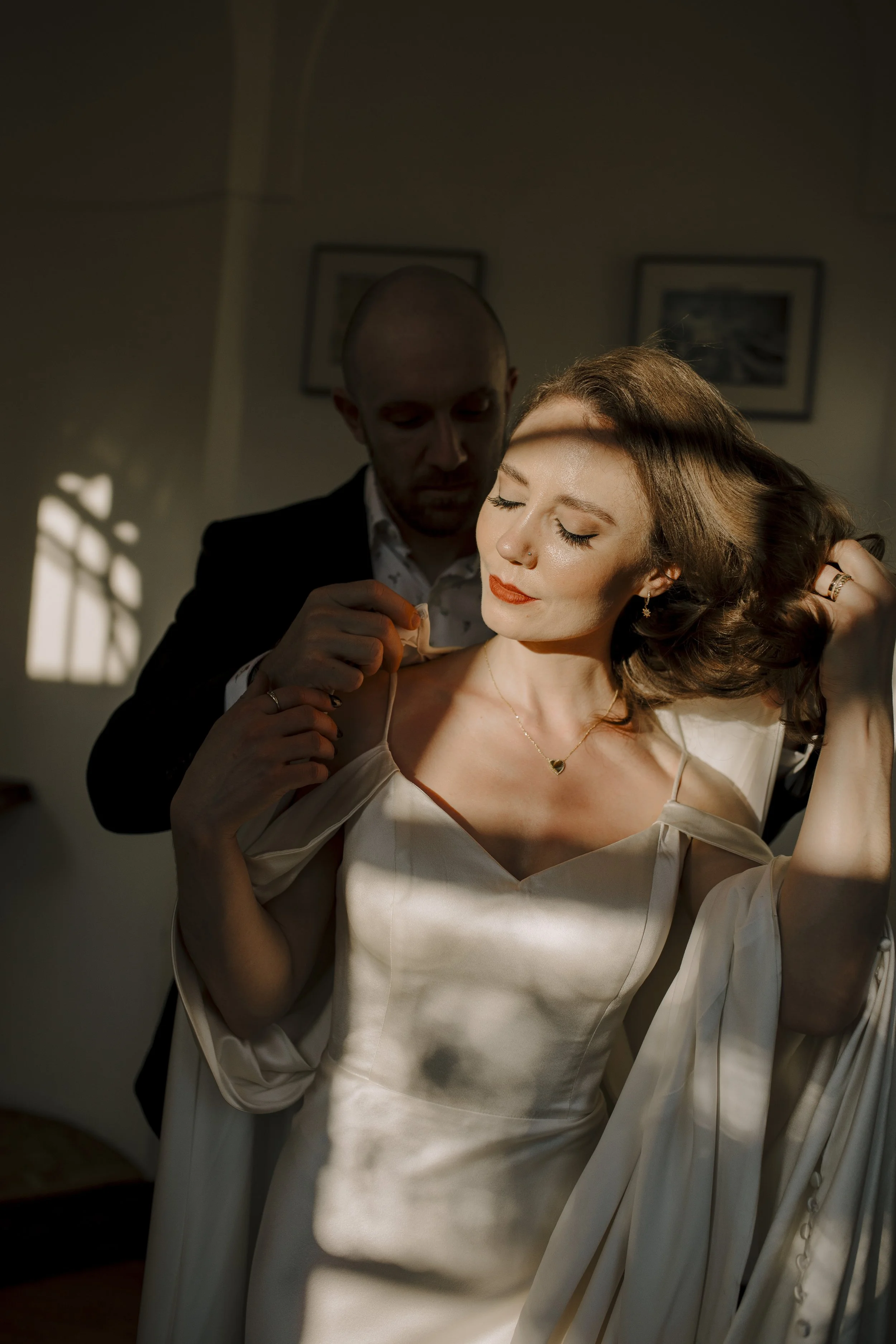
On the morning of her wedding, my bride asked if she could skip the wedding party car and ride with me instead.
She just needed a breath, she said. A piece of quiet before she walked down the aisle.
I put on Hania Rani and we drove in silence through the morning. She looked out the window. I didn't say a word. By the time we arrived she had collected herself completely, settled back into her own body, ready.
That moment was not on any shot list. No coordinator planned for it. It happened because she trusted me enough to ask, and because I understood — without needing it explained — exactly what she needed.
That is what presence actually looks like. Not a fly on the wall. Not invisible. Familiar. Safe. The kind of person you ask to drive you to your wedding because you know she'll know what to do.
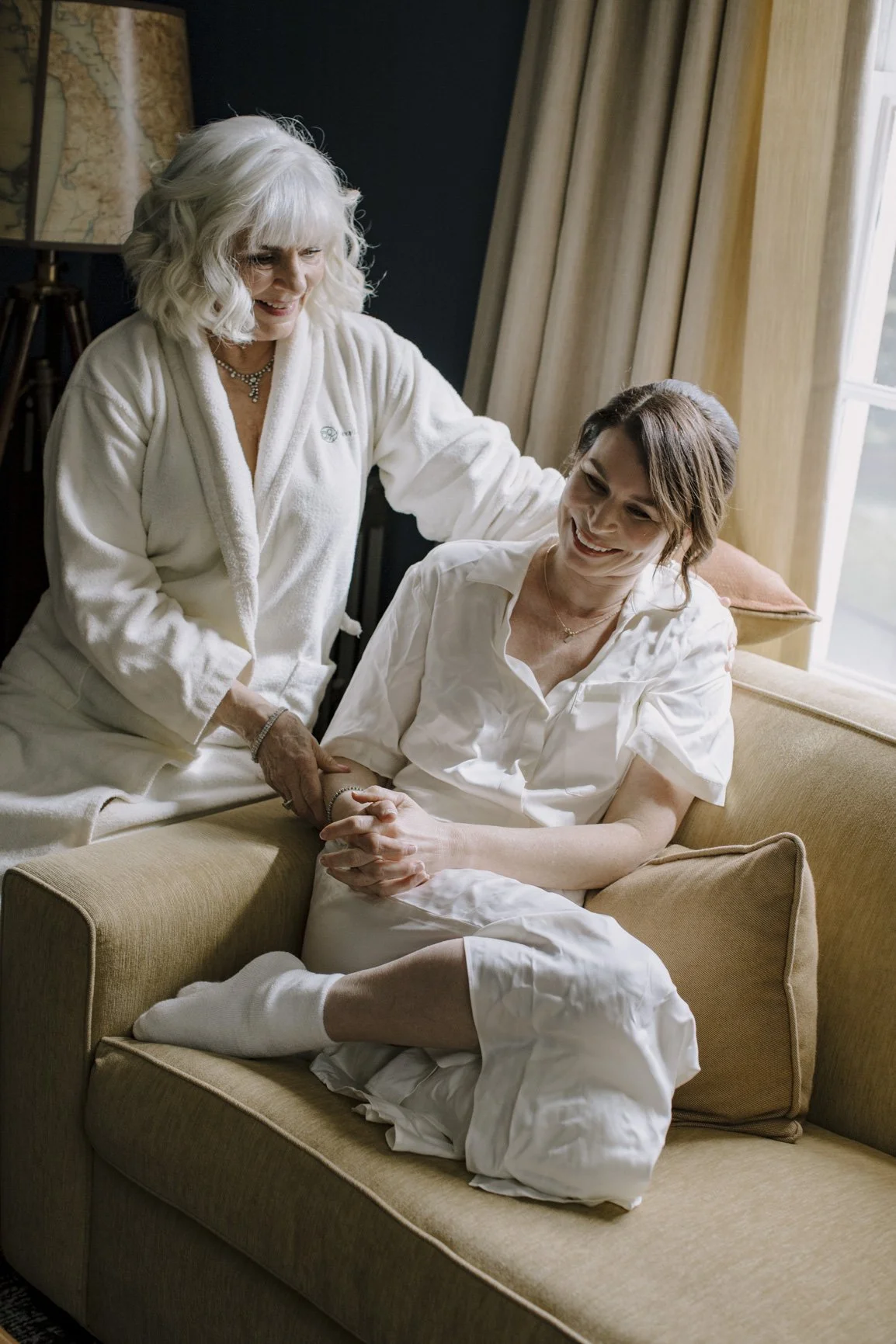
Later that day, I watched a father give a fist bump to a woman he hadn't spoken to in a decade.
I knew who he was. I knew what his relationship with his daughter had been — the years he hadn't been there, the effort he was making now to show up differently. I knew who the woman was to the family and what that gesture cost him and what it gave her.
I was watching because I had been paying attention all day. Not just to the light, not just to the timeline, but to the human architecture of the room — who loved whom, who was trying, who was holding something difficult alongside something joyful.
When the fist bump happened I was ready.
That image will never appear on a highlight reel. It is not a dramatic moment. It will not win an award. But I promise you that bride cried when she saw it in her gallery — because it showed her something she had felt but hadn't been able to see.
Her broken family, in one small gesture, becoming something new.
The love she brought to that wedding healed something. I was there because I had taken the time to understand what was in that room. That understanding is in every photograph from that day.
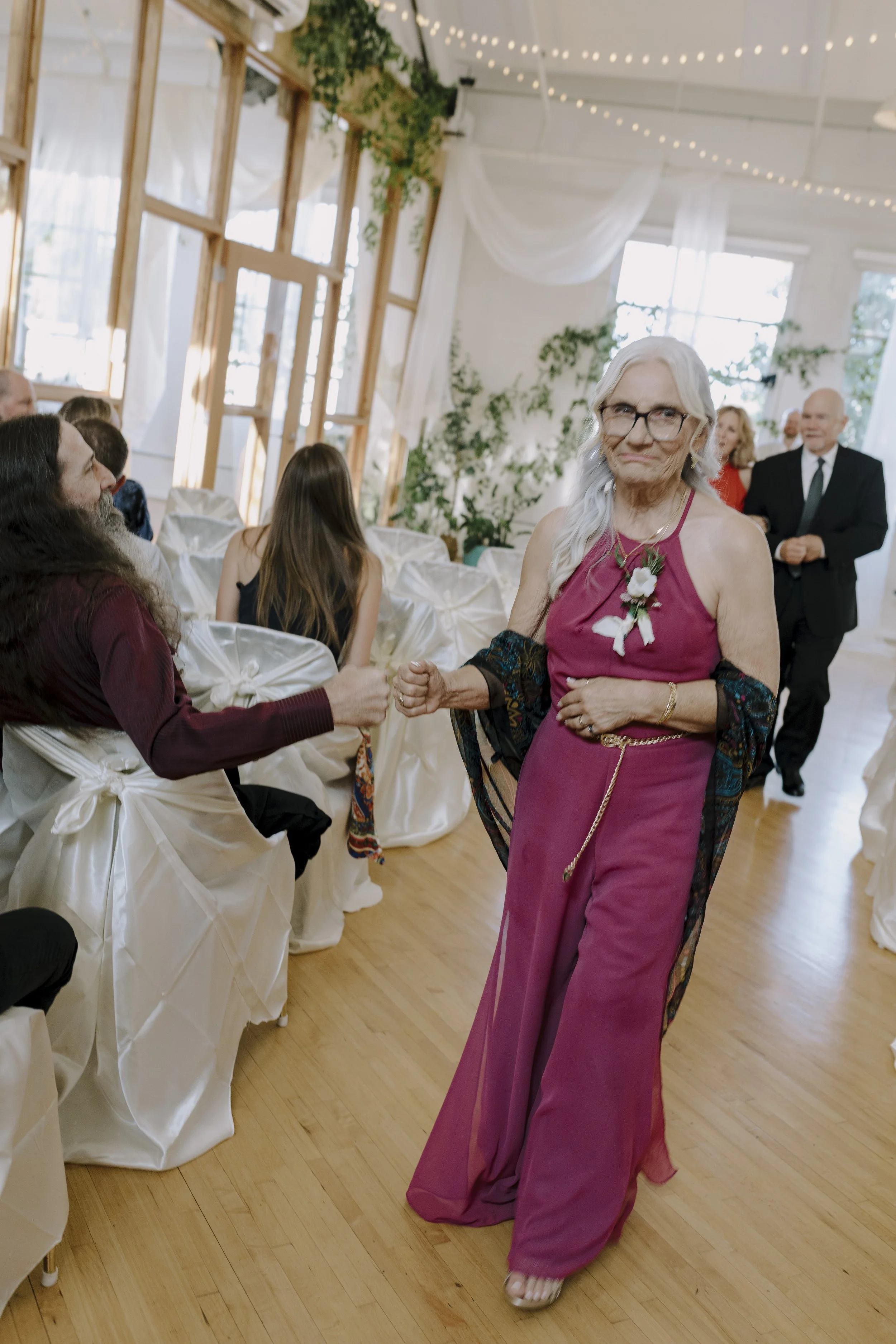
This is what I mean when I talk about witnessing.
It is not a technical skill. It is not about equipment or editing or even light — though light matters enormously and I will never stop being obsessed with it. It is about emotional intelligence. About taking the time, before the day, to understand what matters to you and who matters to you. About walking into a room and seeing the stories underneath the surface — the tenderness, the history, the things people are carrying — and being ready when those stories briefly become visible.
It requires a photographer who is genuinely curious about your people. Who asks not just about your timeline and your venue but about your grandmother, your complicated uncle, the friend who has been there through everything, the parent who is trying.
It requires someone who, by the time your wedding day arrives, has fallen in love with you and the people you love.
Not as a professional strategy. As a natural consequence of genuine attention.
When you are looking for your photographer, pay attention to what they ask you.
Do they want to know about your shot list — or your people? Do they ask what the day needs to feel like — or just what it needs to look like? Do they seem genuinely curious about who you are to each other, or are they already thinking about the light at your venue?
The photographer who asks about your people will photograph your people.
The photographer who asks about your venue will photograph your venue.
Both will give you beautiful images. Only one will give you a gallery that makes you feel, when you open it, that someone was truly in the room with you. Someone who saw everything. Someone who understood what it meant.
That is the difference between documenting and witnessing.
And it is, I think, the only thing that actually matters.
If you are looking for a photographer who will take the time to know you and your people before the day — I would love to hear about your wedding. You can reach me through the button below.